Technical testing capabilities at SuperTest

Testing that asks the right questions. 

SuperTest offers a wide range of controlled testing activities across HVAC/R systems, temperature-sensitive equipment, and cold chain applications.

Testing is configured in response to specific technical questions rather than as a fixed menu of services, and is designed to generate data and insight within the test conditions established for each engagement.

The categories below illustrate the types of testing activities that SuperTest has undertaken in support of product development, investigation, comparative assessment, and performance evaluation.

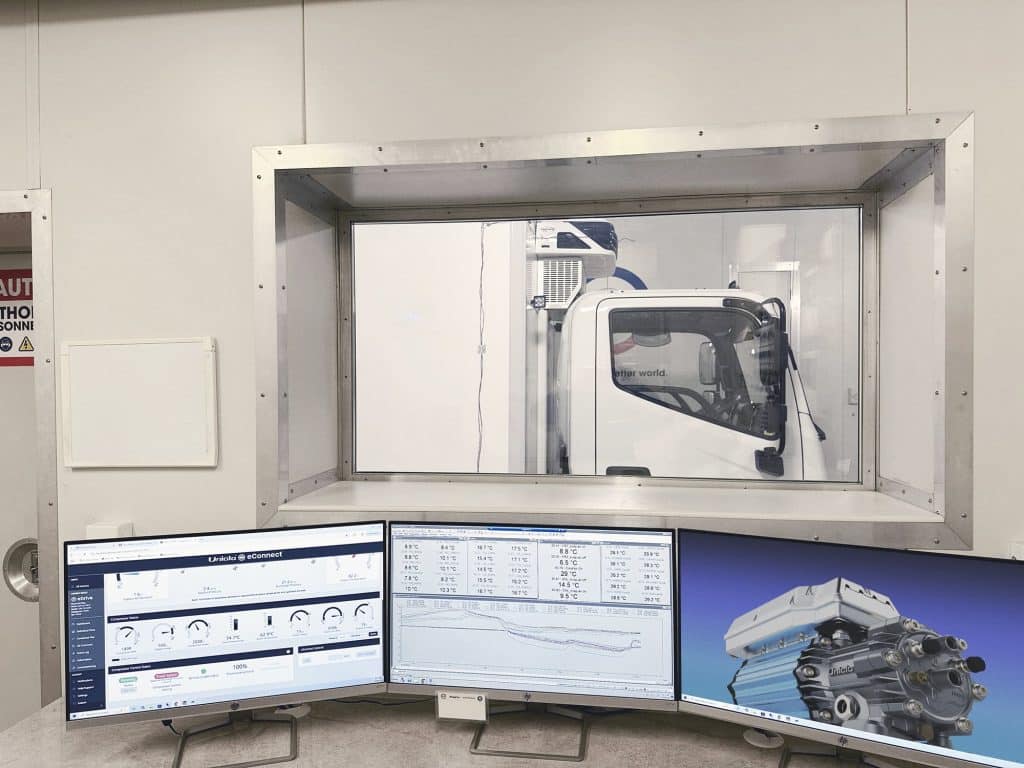
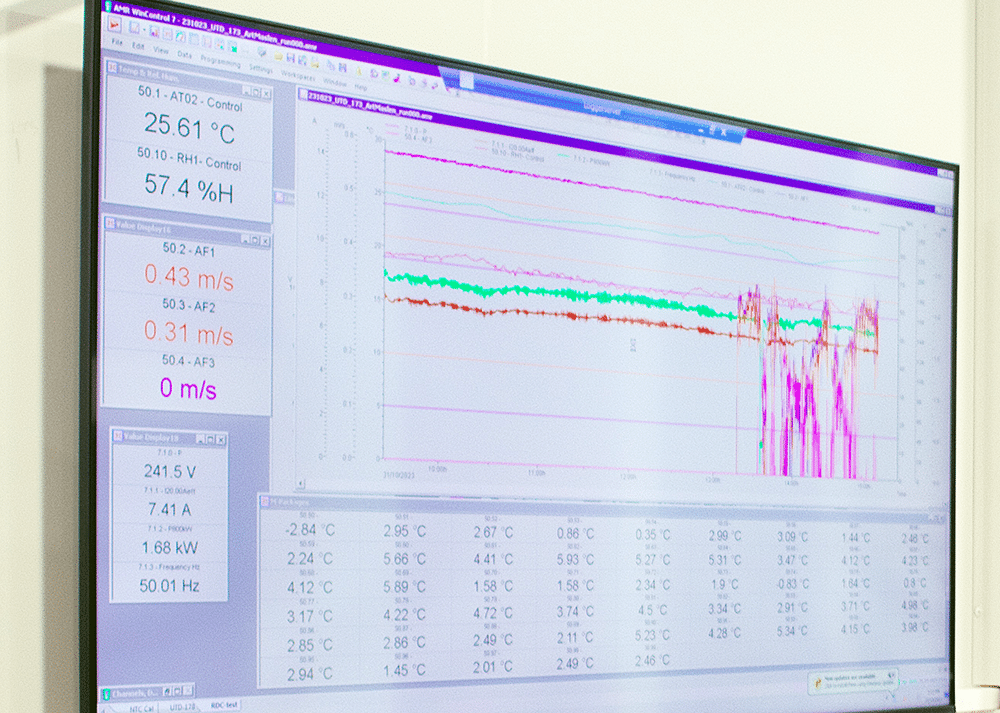
SuperTest computer lab

Overview of testing activities

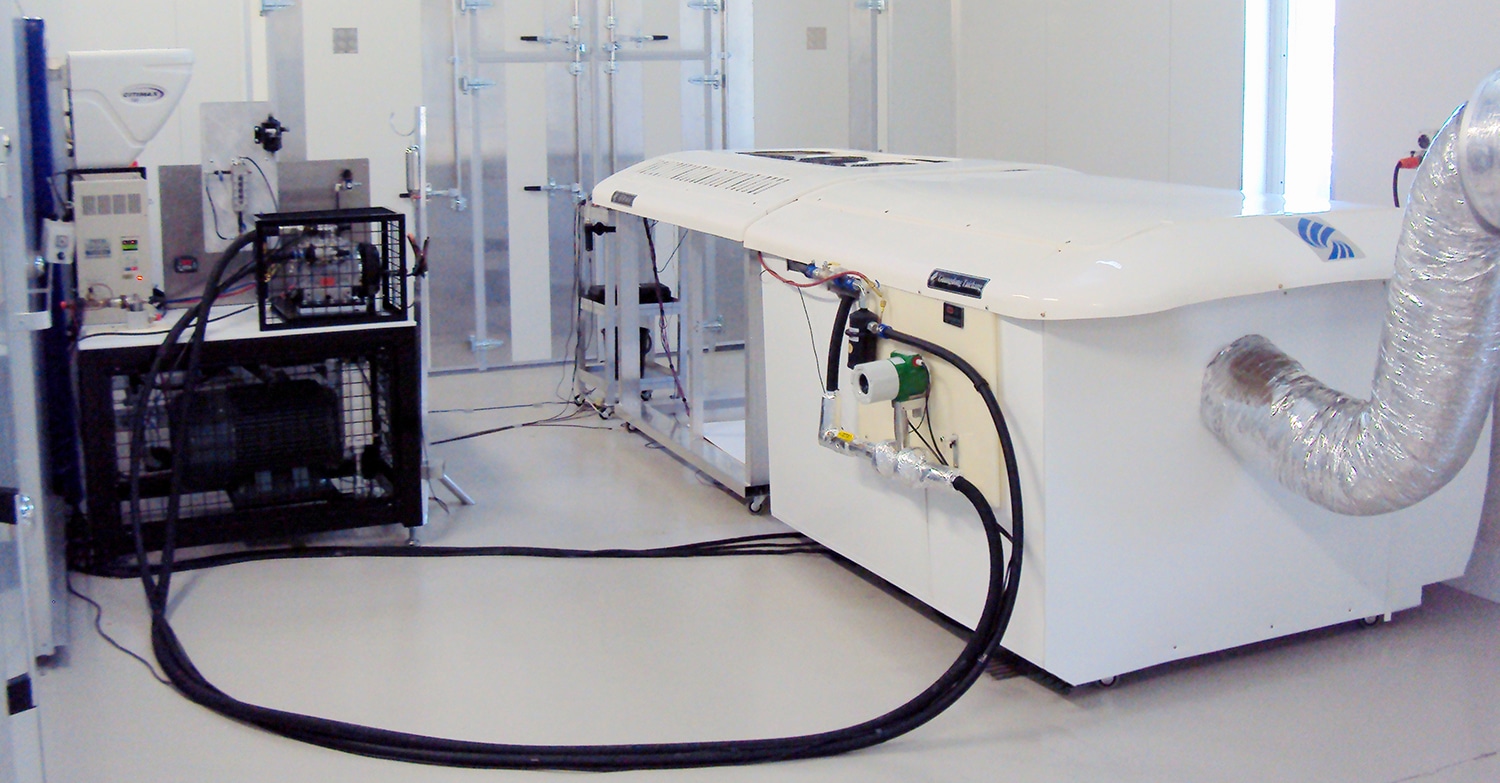
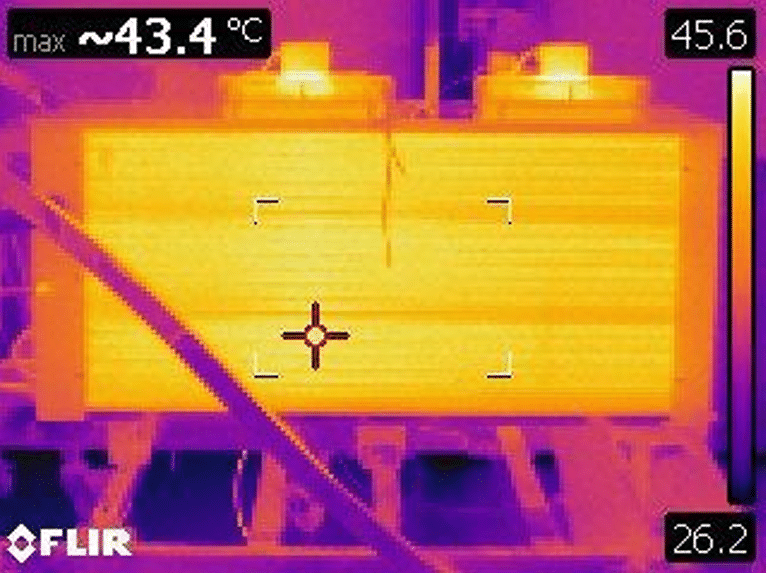
Thermalgmg

Thermal performance and environmental response

SuperTest can support observation of how systems and components respond to stabilised temperature and humidity conditions under extended operation. This is commonly applied to:

  • Evaluation of heat transfer and thermal stability in refrigeration and air-conditioning systems
  • Assessment of temperature control behaviour under defined ambient ranges
  • Thermal performance comparison across design variants

Specific activity types have included performance testing of refrigerants and blended refrigerants (for example R134a, R404a, R407 and selected low-GWP alternatives) under controlled environmental conditions.
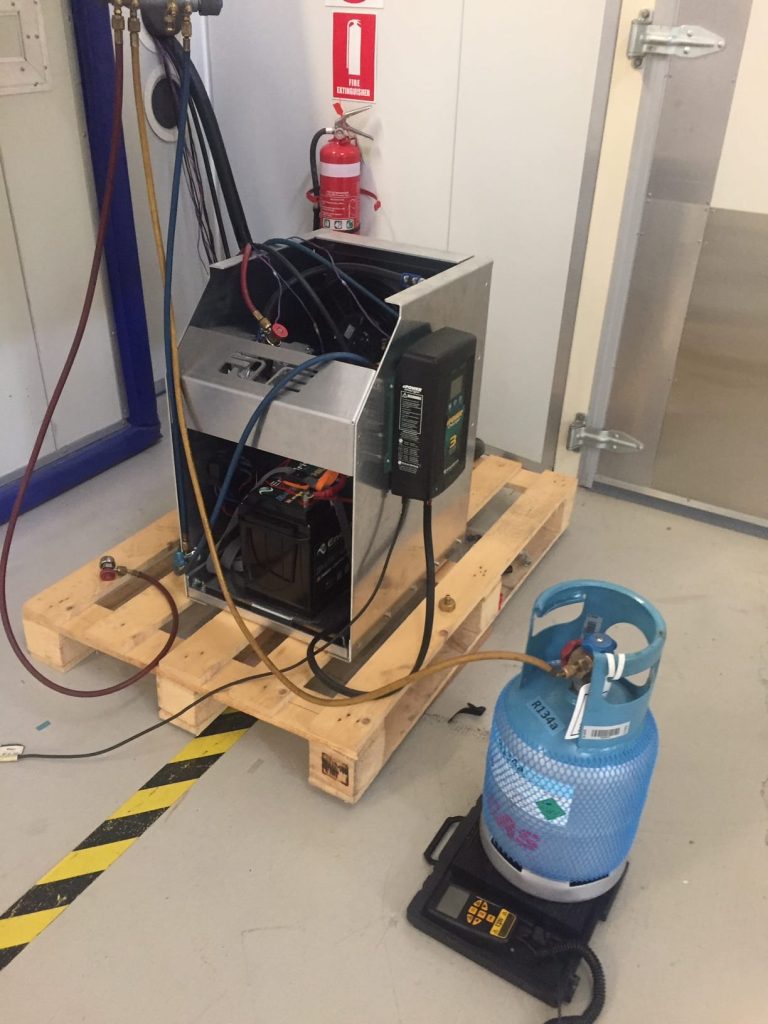
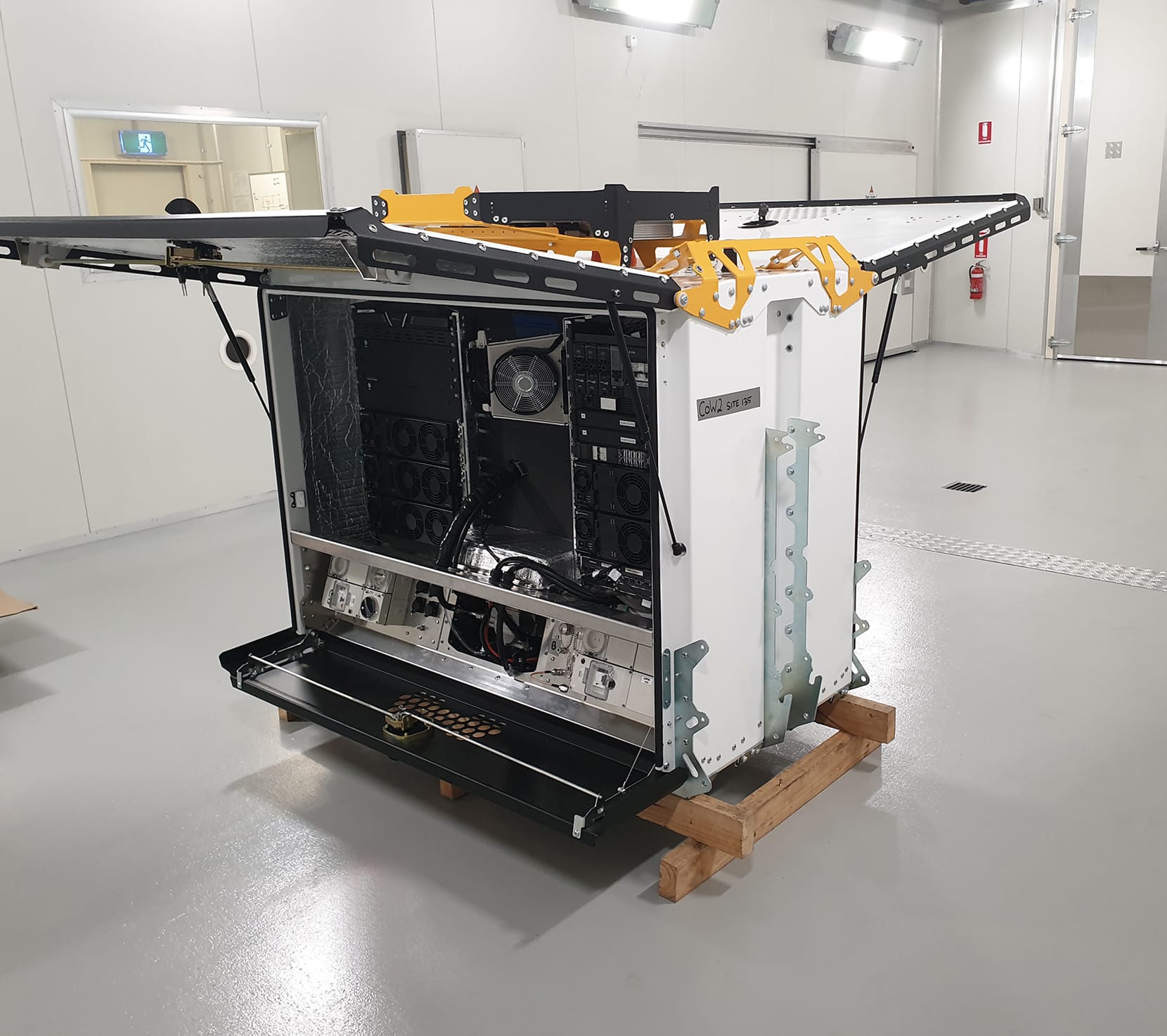
IMG 0300 utdComponent and subsystem evaluation

Controlled testing enables assessment of individual components or subsystems in ways that support engineering decisions, including:

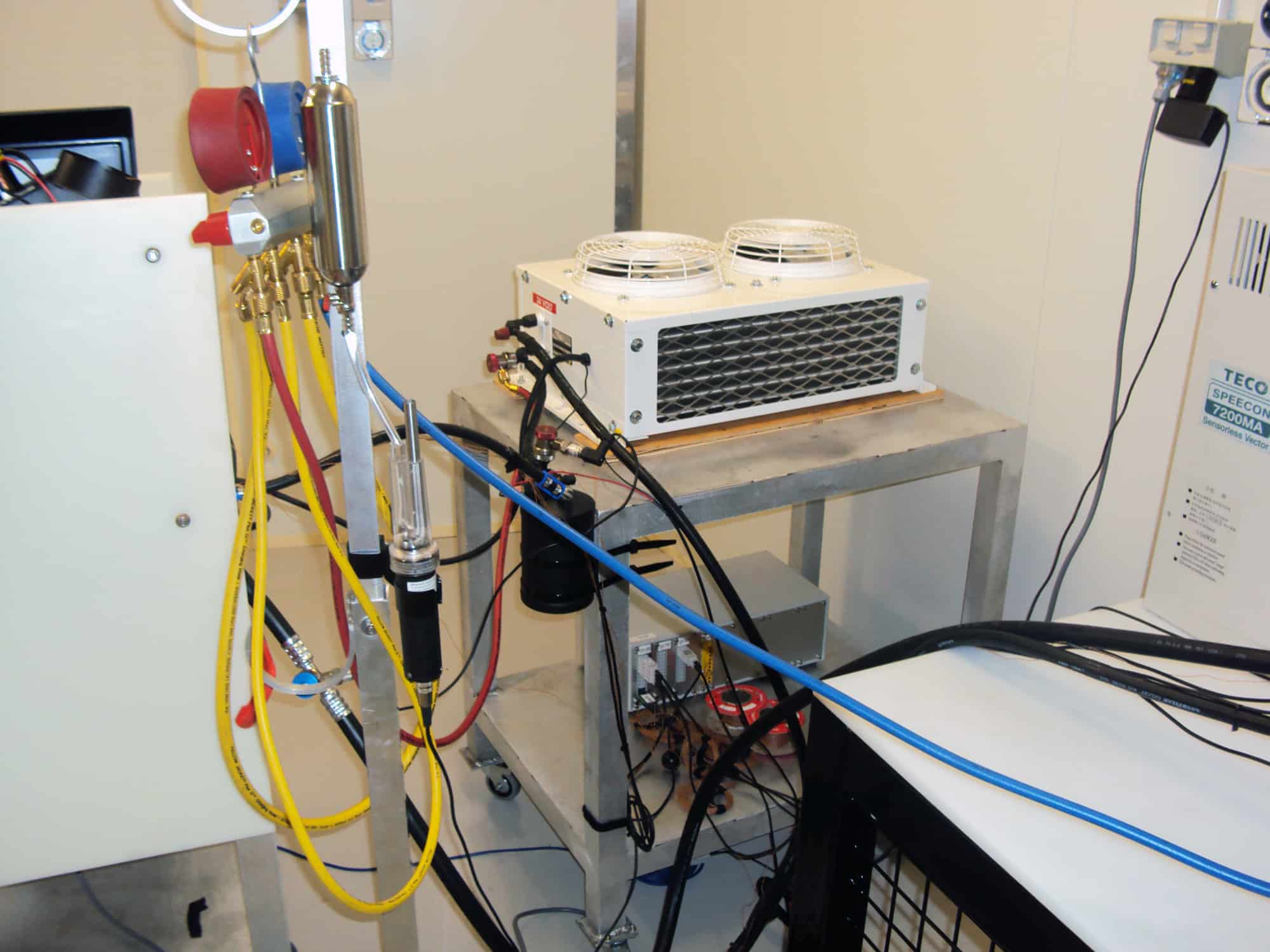
  • Compressor performance and capacity evaluation, including efficiency measurement and interaction effects
  • Prototype and pre-production evaluation to identify design behaviours before full system integration
  • Thermal conductivity (K-coefficient) testing of insulated transport bodies and enclosures, used to identify heat leakage patterns and support evaluation of insulation design, construction quality, and layout choices

These activities provide insight into how individual elements perform within a system context.

System-level and integration behaviour

SuperTest can support the evaluation of integrated system behaviour where interaction between subsystems matters. Examples include:

  • Combined performance of refrigerant circuits and control systems
  • Response of assembled HVAC/R systems across cycling and sustained use
  • Comparative assessment of alternative configurations under equivalent conditions

This type of testing is particularly useful when field behaviour is inconsistent or difficult to explain, and provides a stable basis for comparison.
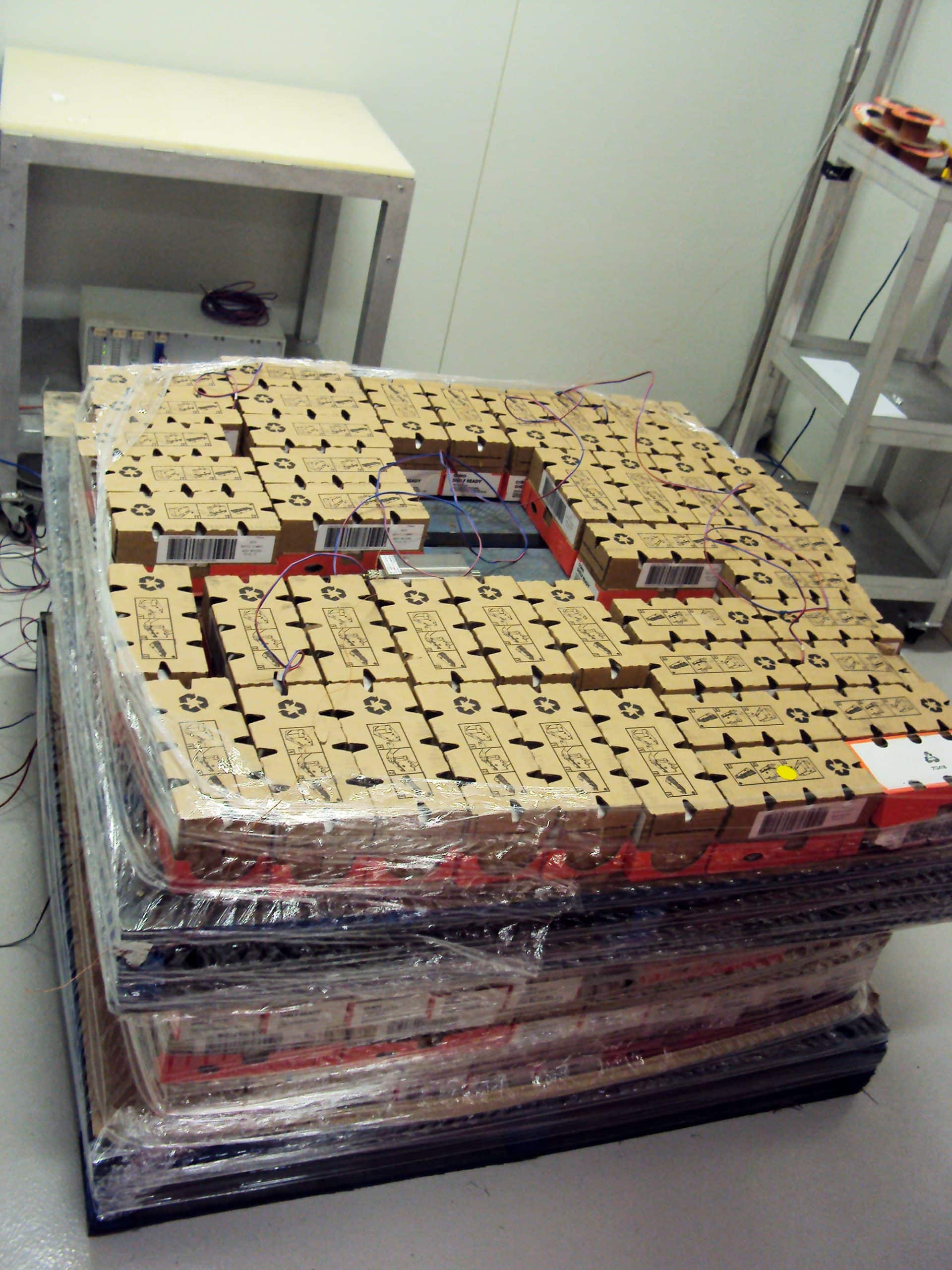
Cold chain, food, packaging and process simulations

For temperature-sensitive supply chain equipment and products, controlled environment testing is commonly applied to simulate and refine handling and storage processes. Examples include:

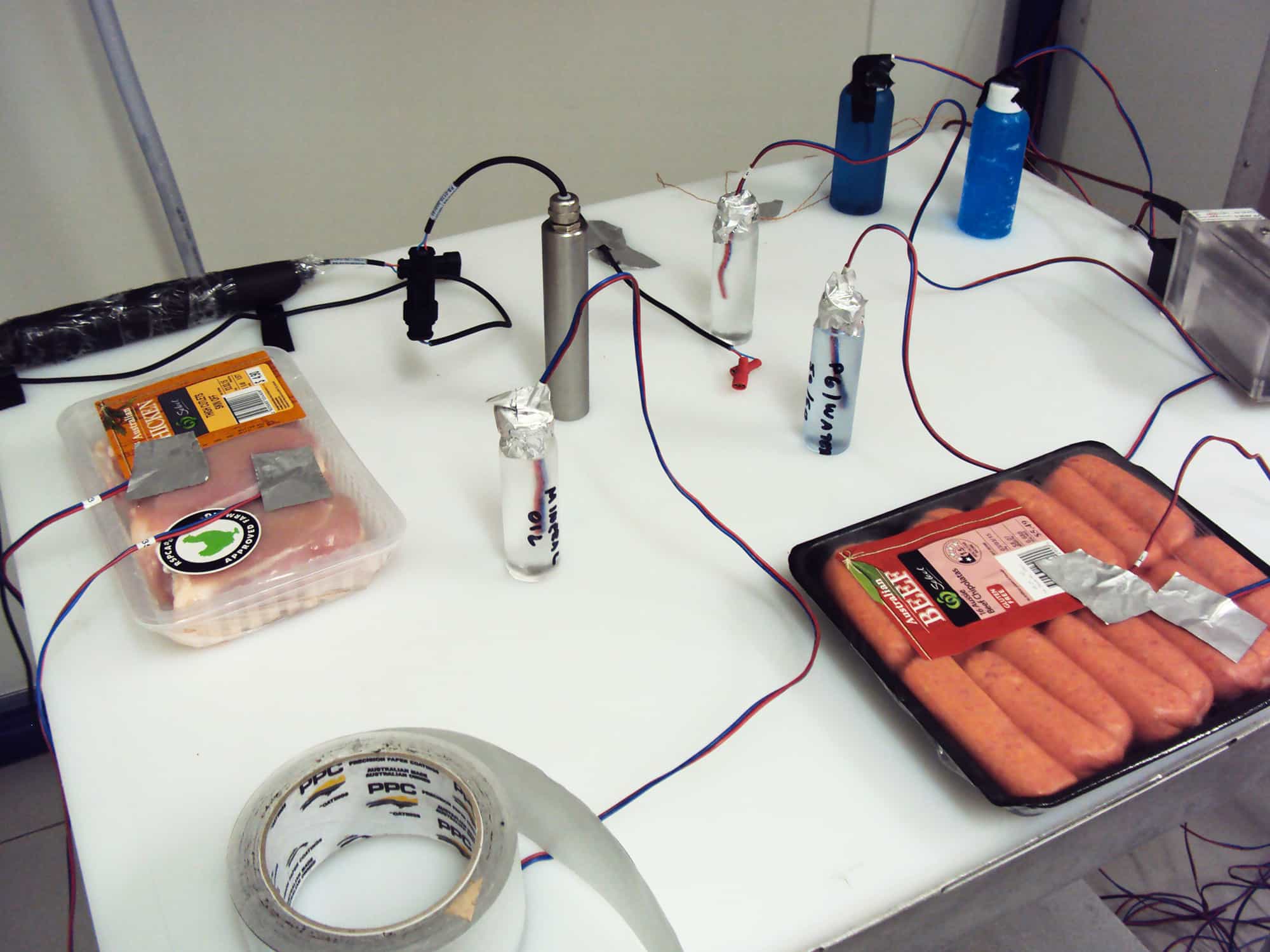
  • Supporting assessments that may include partner-laboratory microbiological analysis
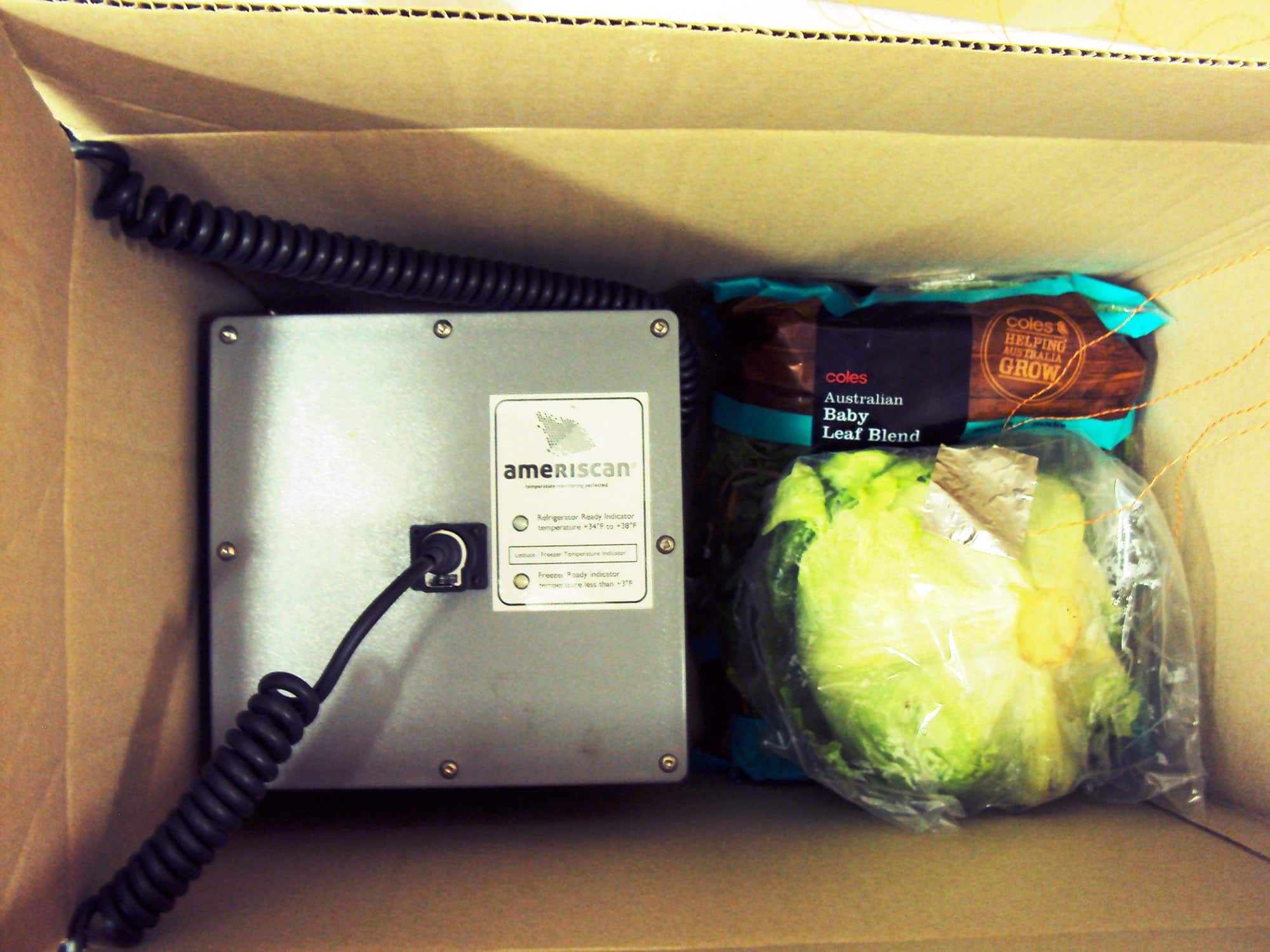
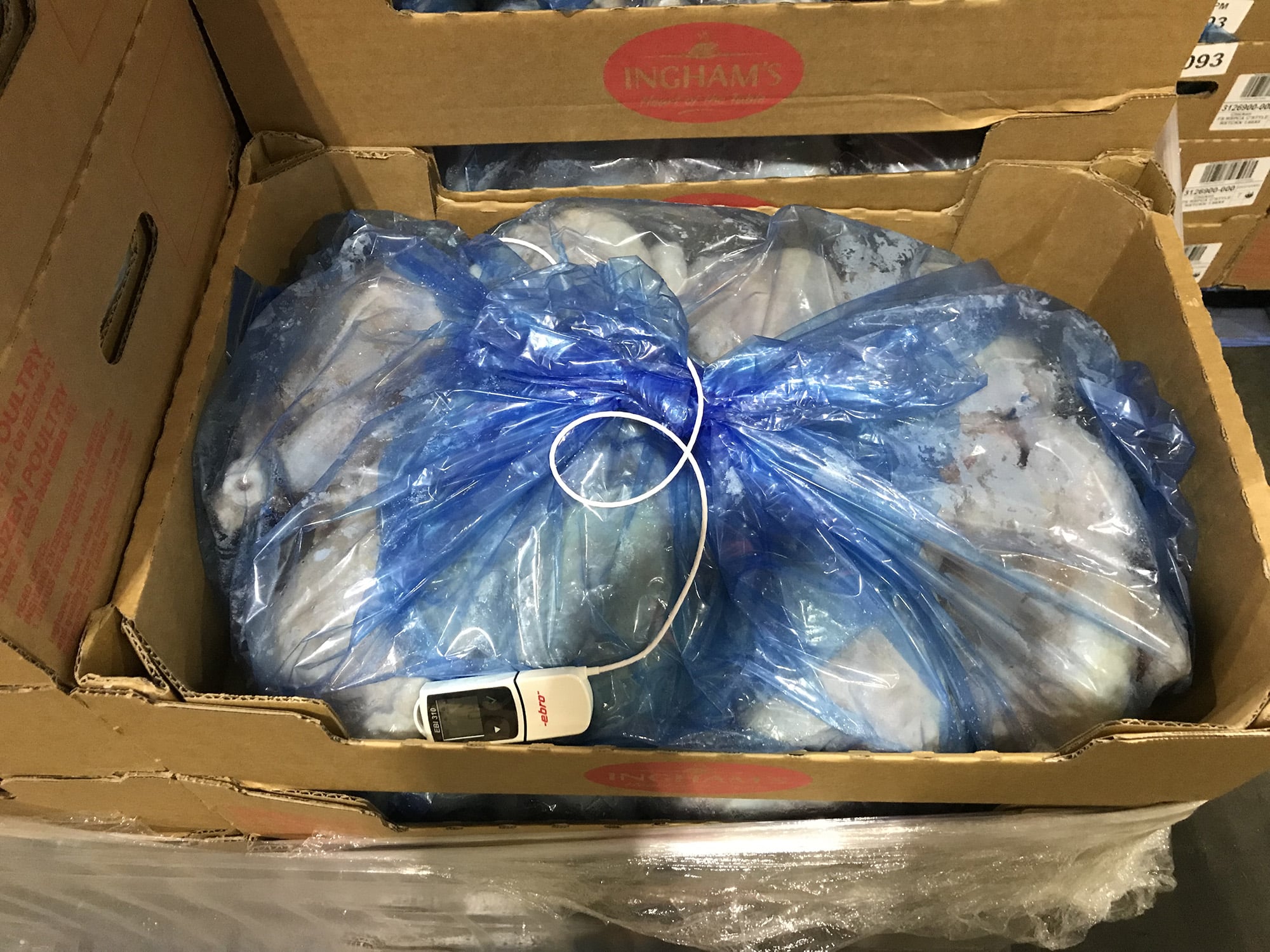
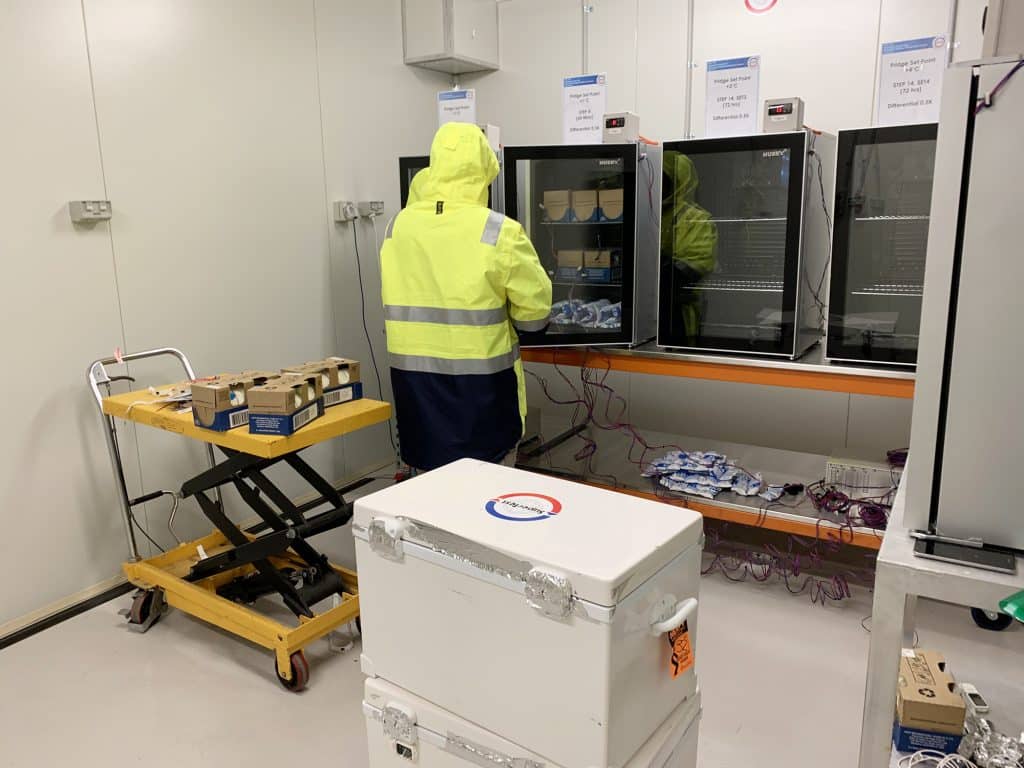
  • Cold chain process simulations, including repeated door openings and journey mapping scenarios
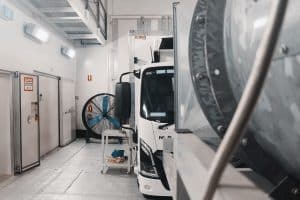
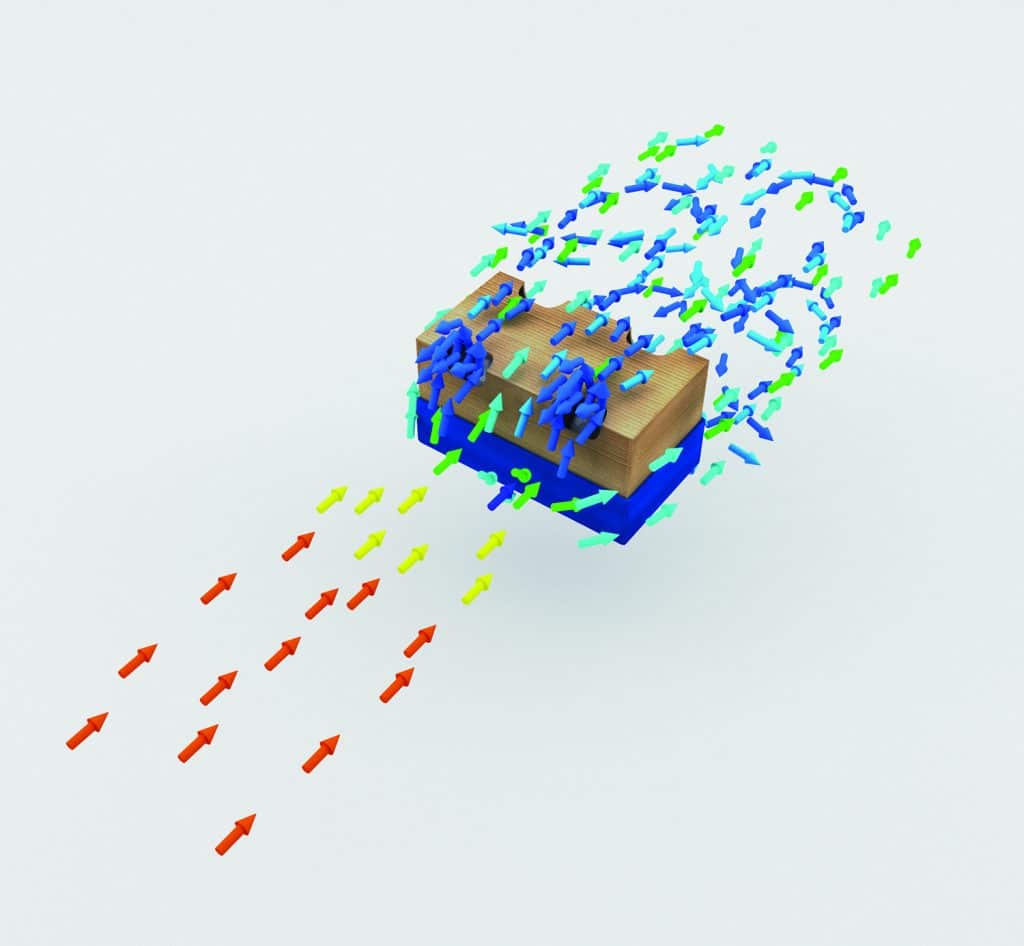
  • Airflow measurement in loaded truck bodies and trailers to understand refrigeration effectiveness

These activities help clarify how thermal behaviour and process variation interact in cold chain environments.

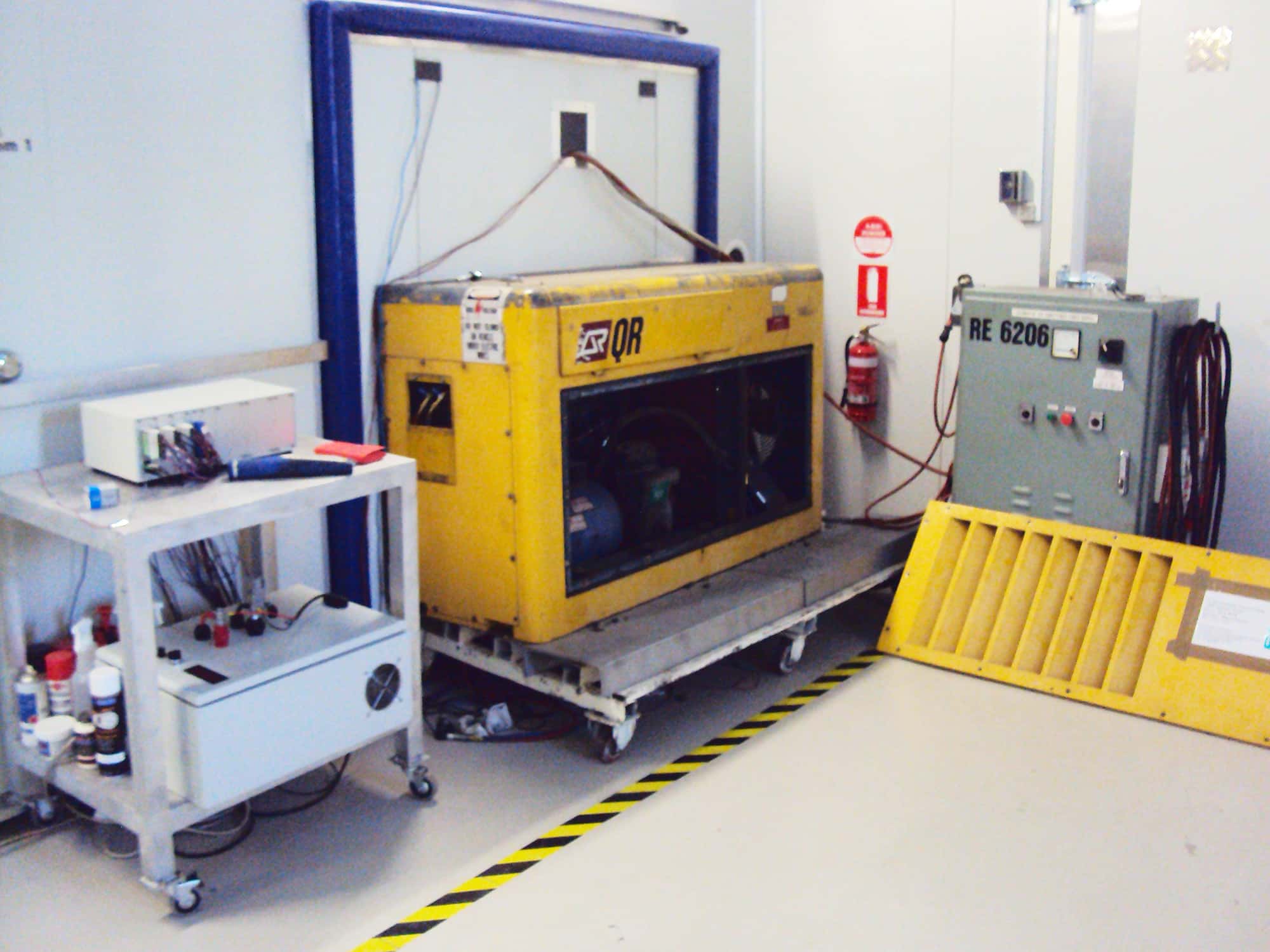
IMG 3416 supertestComparative and baseline evaluation

Testing under controlled conditions enables direct comparison of different configurations, products, or operational strategies. This can include:

  • Establishing baseline behaviour for existing products to inform development choices
  • Comparing alternative components or arrangements under equivalent environmental conditions
  • Observing performance differences across modified designs or control approaches

This supports engineering review, supplier evaluation, and prioritisation of design changes.
AirflowEnergy performance and Standards-related context

In addition to comparative and behavioural evaluation, controlled testing activities can be used to support technical understanding of energy-related performance characteristics, including efficiency, heat ingress, and system response.

In transport refrigeration contexts, testing activities may draw on concepts and performance parameters referenced in standards such as AS4982 (Thermal performance of refrigerated transport equipment), particularly where insight into insulation performance and heat ingress behaviour of transport bodies is required.

In fixed equipment and retail contexts, standards such as ISO23953-2 may also inform test planning or interpretation where relevant to the technical question being examined.

Standards are referenced to support structured evaluation and interpretation within the defined scope of a specific engagement.

3 logos

SuperTest is a NATA Approved as a Test Laboratory Under ISO/IEC 17025, ensuring competence and validity.

TestingStandards reference and interpretation

SuperTest testing may reference applicable Australian or international standards to support structured evaluation and interpretation of results.

The relevance of any standard, regulatory framework, or accreditation is established and documented during test planning. Testing activities are designed to support technical evaluation within the defined test context.

Testing capability

The examples below illustrate the testing programs that SuperTest supports across different product types, systems, and technical standards. They provide practical context for the broader capability categories described above.
Examples include:
 
  • Refrigerated display cabinets – Performance testing under ISO 23953-2 environmental conditions (NATA accredited)
  • Refrigerated storage cabinets – Thermal stability and operational evaluation in accordance with ISO 22041 (NATA accredited)
  • AS4982 transport testing – Insulation performance and heat ingress behaviour
  • Mission-critical platforms – Bespoke controlled testing environments
  • Ice machine testing – Operational and performance evaluation (under development)
  • Hot water heat pumps – Thermal and energy behaviour (under development)
  • Electrical appliances – Safety and performance evaluation (under development)
  • Domestic electric heaters – Comparative consumer-style testing (under development)
 
SuperTest capability continues to evolve in response to industry needs. Organisations with specific testing requirements are encouraged to contact us to discuss their technical objectives.
 
3 logos

 SuperTest is a NATA Approved as a Test Laboratory Under ISO/IEC 17025, ensuring competence and validity.

How a typical testing program is conducted

IMG 1924 utd

Each testing engagement is tailored to suit the technical question being investigated, however most follow a similar process:

  1. Define the testing objective
  2. Confirm the test description with the client
  3. Analyse the testing process and identify the required staff and equipment
  4. Allocate a scheduled testing window and confirm availability
  5. Configure testing activities within SuperTest project planning systems
  6. Receive and prepare equipment for testing
  7. Conduct testing under controlled environmental conditions
  8. Advise the client of any variation or unexpected behaviour and confirm next steps
  9. Analyse collected data and produce a structured technical report

More about SuperTest

Capabilities and facilities

Discover our Queensland based testing facility and its different environments and chambers

Why controlled testing matters

Learn how partnering with SuperTest can complement your field evaluation work

Reporting and Consultation

Testing outputs, observations, and how we help you interpret your data

Governance and Accreditation

Testing may be performed under SuperTest's NATA accreditation, or custom designed for your needs

Eliminate guesswork with SuperTest

Contact our team to discuss your project.

Search SuperCool

Find the best HVAC&R products for your mobile, industrial or commercial needs.