Testing designed to answer questions, not tick boxes
SuperTest provides controlled testing capability, supporting the evaluation of HVAC/R systems and temperature-sensitive equipment where environmental conditions materially influence performance.
Testing capability is organised around how systems are evaluated rather than around predefined test services or routines. This allows testing programs to be configured to suit the technical question being addressed, rather than forcing questions to fit prescribed formats.
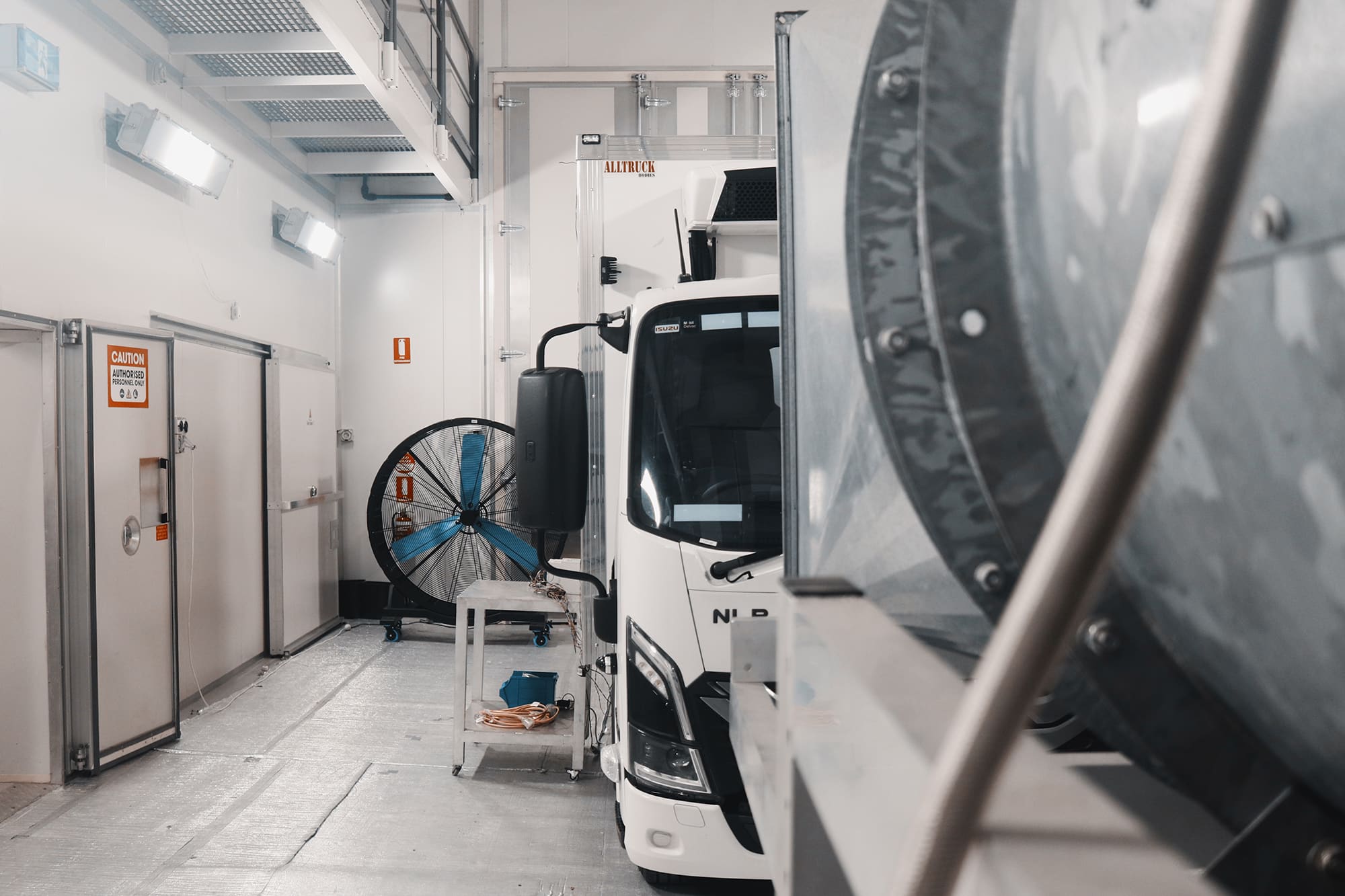
SuperTest operates multiple testing chambers that are purpose-designed to allow temperature and humidity conditions to be managed deliberately, enabling assessment of system behaviour under defined operating scenarios.
These facilities support testing from component level through to full-system configurations, and can be arranged to accommodate different system layouts and operating contexts.
Testing may be conducted over short investigative periods or extended durations, including sustained operation where observation of stability, control response, or endurance behaviour is required.
Explore our test chambers
SuperTest operates multiple test chambers with variable environmental capabilities.
These are all designed to support a wide range of system types and testing applications.
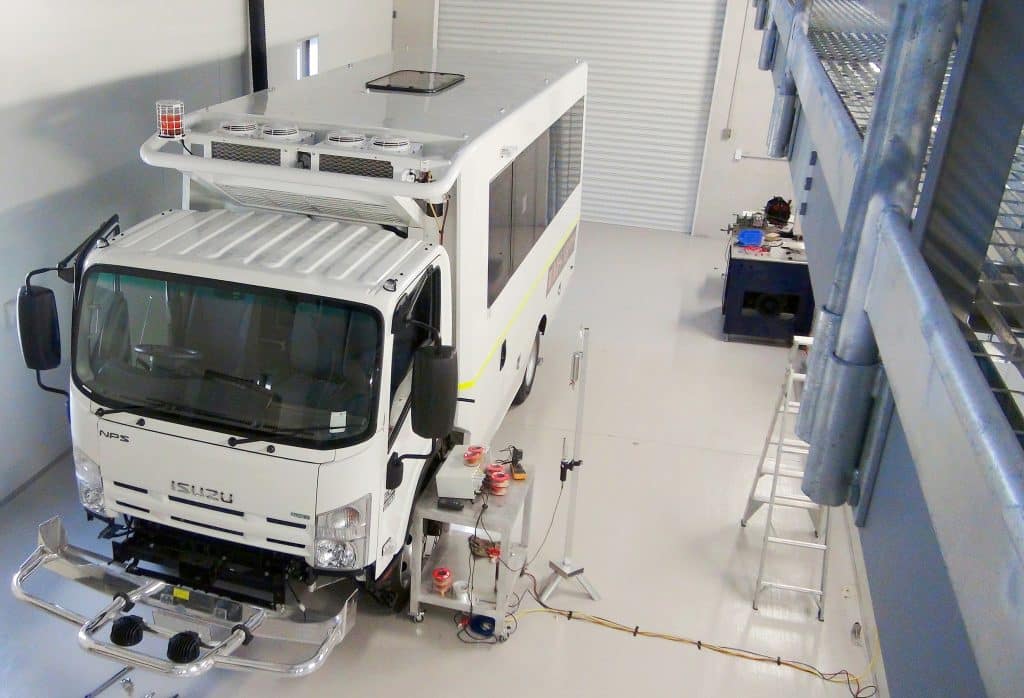
Primary environmental chamber
19.8 metres long × 6 metres wide × 6 metres high
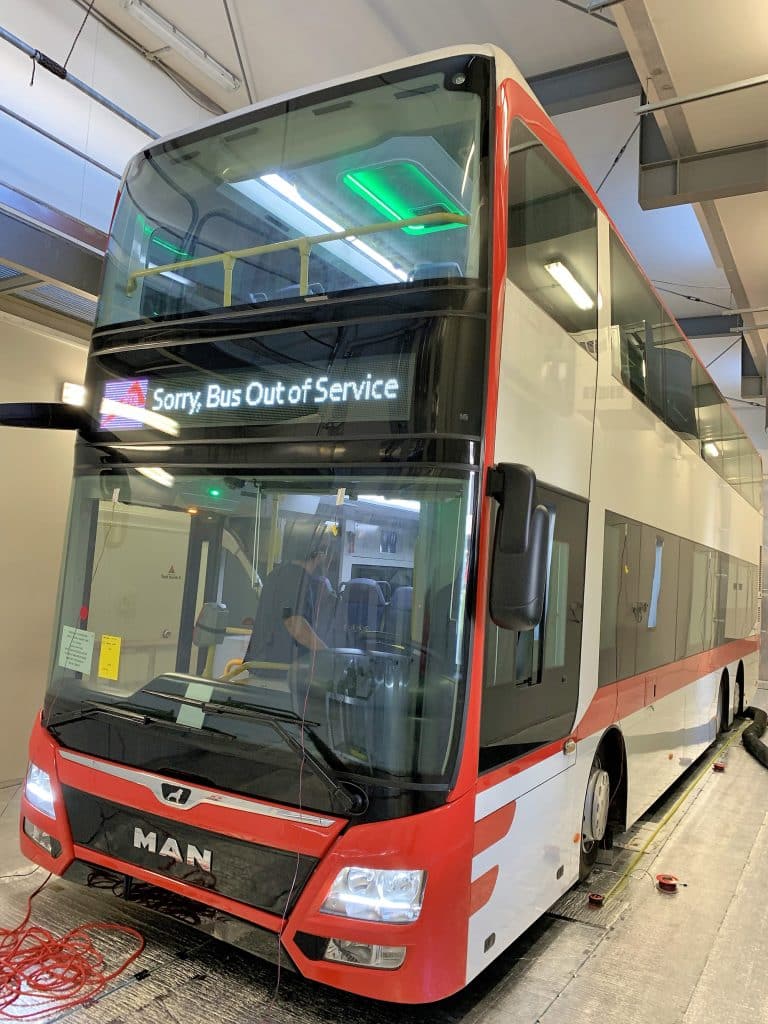
Large enough to accommodate large vehicles including double-decker buses
Secondary internal door allowing the chamber to be divided into two sections (13.3m and 6.5 m zones)
Entry door dimensions: 3.98 metres wide × 4.5 metres high
Dry bulb (DB) Operating temperature range: 0°C to 50°C
Environmental control tolerance +/- 3°C DB only
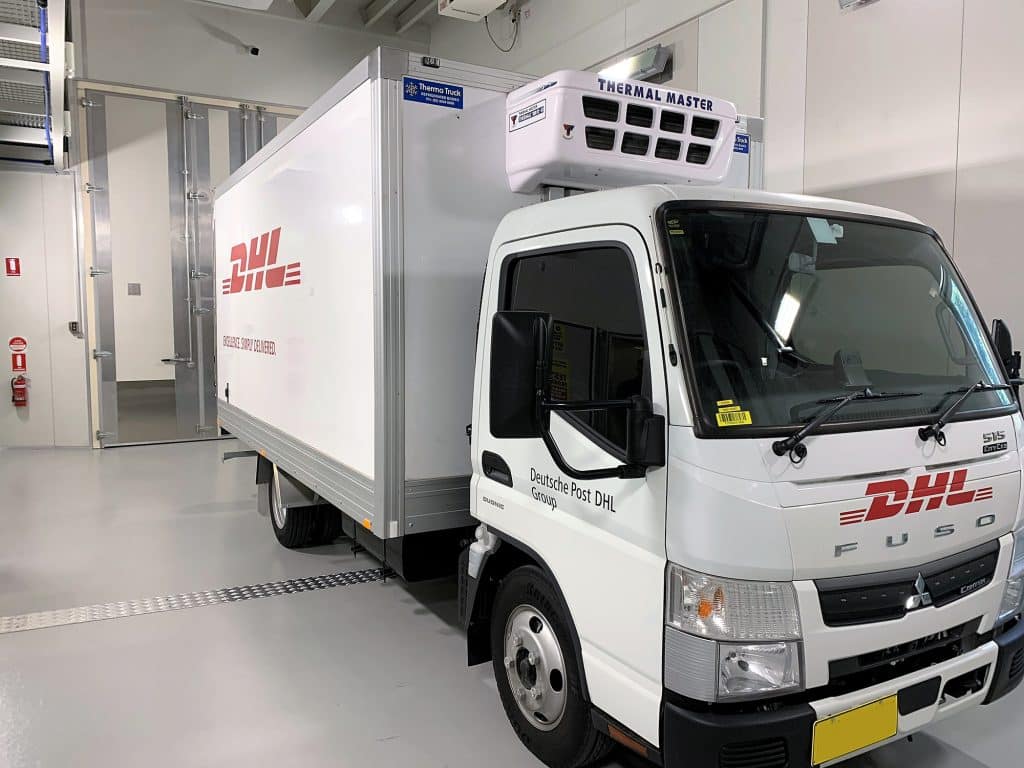
Integrated cool room suitable for cold chain process simulation and controlled product handling scenarios
Controllable in three zones with heating and cooling
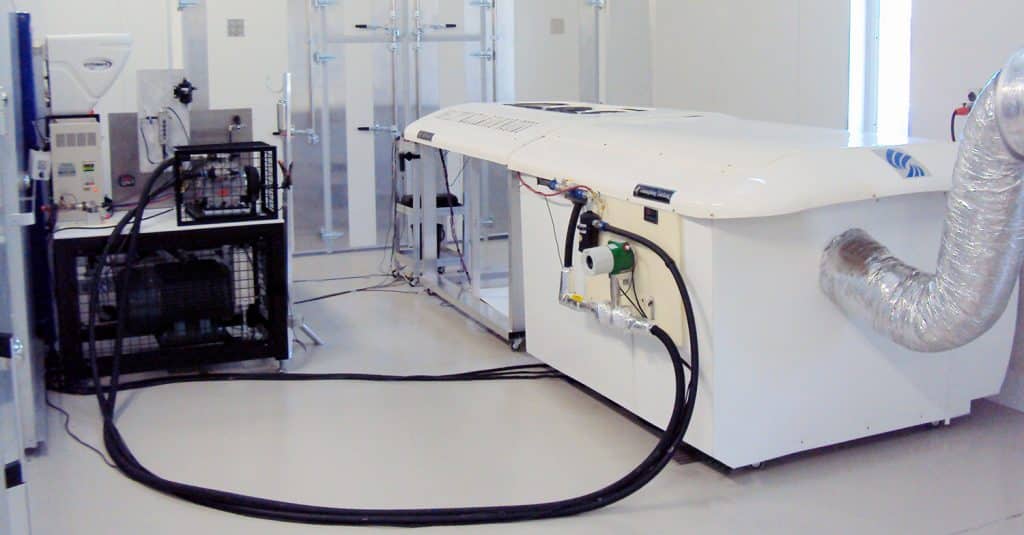
Chamber 1
6 metres long × 3.5 metres wide × 2.7 metres high
Suitable for compressor performance and capacity testing
Chamber 2
6.5 metres long × 6 metres wide × 6 metres high
Suitable for compressor performance and capacity testing
Chamber 3
4.5 metres long × 3.5 metres wide × 2.7 metres high
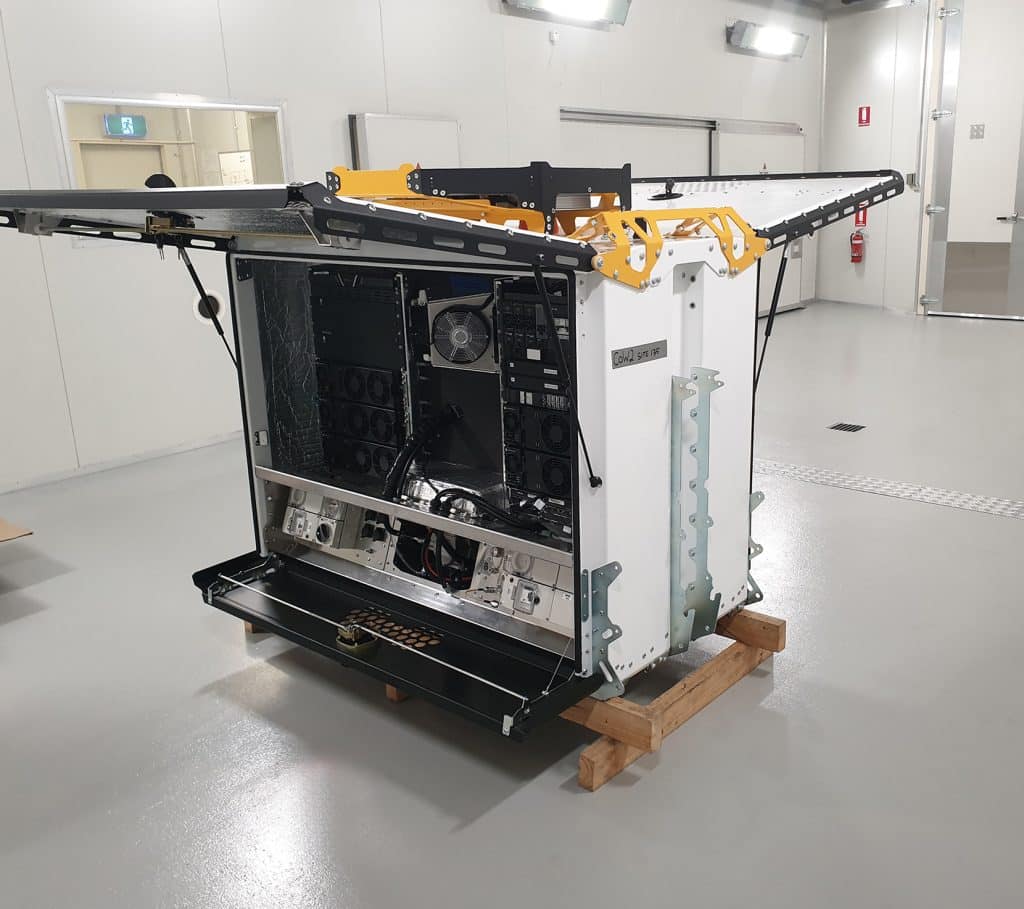
Used for subsystem and component testing programs
Low velocity parallel airflow test chamber
9 metres long × 5 metres wide × 3 metres high
Low-velocity, high-volume parallel airflow design
Air velocity range: 0.1 to 0.2 m/s
DB control temperature range: 16°C to 40°C +/- 1°C tolerance
Environmental control tolerance of +/-1°C temperature and +/-3% relative humidity
Humidity control range 40–80% RH
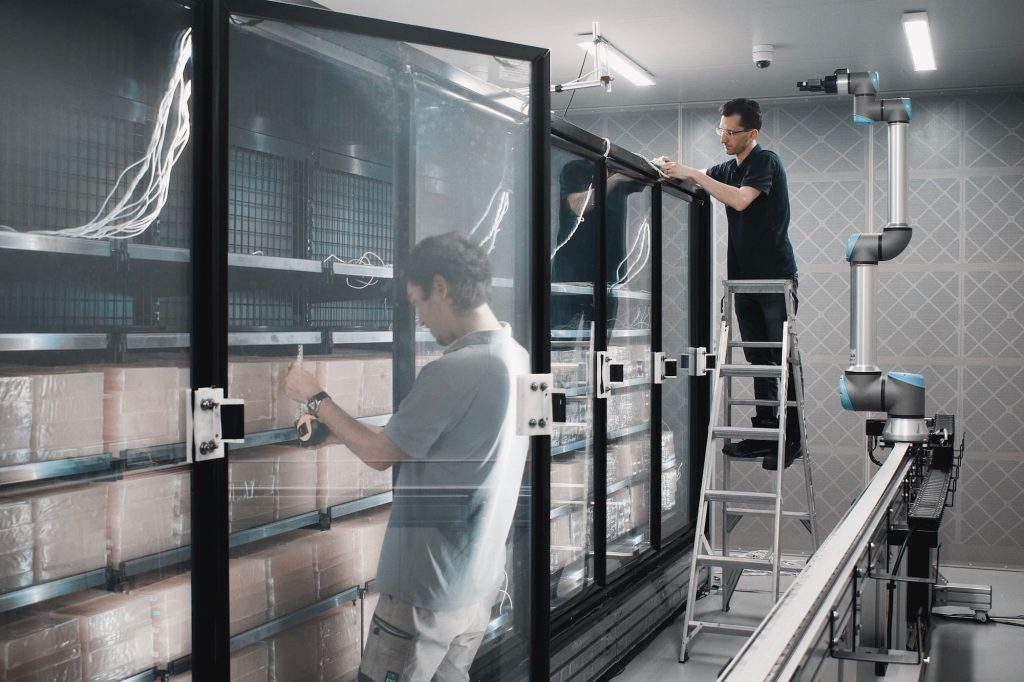
This chamber is specifically designed for the testing of refrigerated display cabinets and refrigerated storage cabinets and conforms to the test room requirements specified in ISO 23953-2 and ISO 22041. Testing is performed under NATA-accredited conditions.
System types supported
Testing capability supports a broad range of HVAC/R systems and temperature-sensitive equipment supplied into both domestic and international markets.
Systems are evaluated based on operating characteristics and configuration rather than market classification, allowing consistent assessment across fixed and mobile applications.
Measurement and instrumentation
Testing activities are supported by calibrated measurement systems selected to capture environmental conditions and system behaviour relevant to the test objective.
Measurement approaches are applied to support repeatability, comparison, and defensible interpretation.
Capability also supports controlled simulation of temperature-sensitive supply chain processes where thermal behaviour and operating practices interact.
Thermal payload simulation
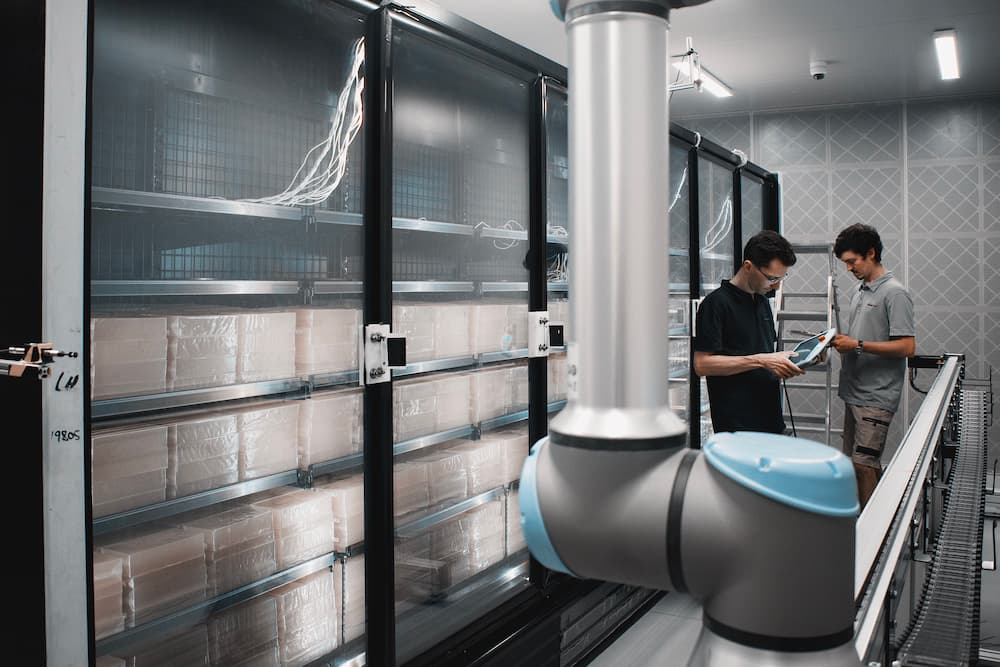
SuperTest uses scientifically formulated gel-based thermal mass simulants designed to replicate the temperature behaviour of real products. These payload simulators are calibrated annually to ensure accuracy and are stored in controlled refrigerated conditions when not in use to maintain their integrity.
Their use allows realistic product conditions to be reproduced within controlled environments, enabling controlled and repeatable testing while maintaining dependable and consistent test results.